


The Impact of Play-Based Intervention in ABA Therapy: A Closer Look at Occupational Therapy and ABA in Toronto
- Marketing Team
- Jan 26, 2025
- 5 min read

Introduction
In recent years, the therapeutic landscape for children with developmental challenges has evolved significantly, highlighting the importance of play in effective treatment strategies. Applied Behavior Analysis (ABA) therapy has emerged as a leading approach for many children, particularly those diagnosed with autism. Incorporating play-based intervention not only enhances engagement but also promotes learning by transforming therapeutic sessions into enjoyable experiences. This blog post delves into the role of play in ABA therapy success, exploring its transformative power, especially in the context of occupational therapy and ABA in Toronto.
Understanding ABA Therapy
ABA therapy is designed to improve specific behaviors and skills through reinforcement strategies. This evidence-based practice helps individuals learn and develop essential life skills, allowing them to function more effectively in various environments. Whether it is communication, social skills, or self-management, ABA therapy provides a tailored approach to meet individual needs.
The core principle of ABA is understanding that behaviors can be learned and modified. By breaking down complex tasks into smaller, manageable components, therapists can systematically teach skills through positive reinforcement techniques. This is where the integration of play becomes crucial.
The Connection Between Play and Learning
Children are naturally inclined toward play, making it an ideal vehicle for learning. Engaging in playful activities allows children to practice new skills in a low-pressure environment. This intrinsic motivation fosters a sense of enjoyment, encouraging participation and exploration.
Incorporating play into ABA therapy often involves using toys and activities that resonate with a child's interests. This personal connection can make the learning process more relatable, significantly enhancing engagement and retention.
The Benefits of Play in ABA Therapy
1. Increased Engagement
When children are engaged in play, they are more likely to participate actively in therapy sessions. Play creates a relaxed atmosphere that promotes willingness to try new things, which is often vital for success in ABA therapy.
2. Enhanced Communication Skills
Through play, therapists can create scenarios that encourage children to communicate. Whether it’s encouraging them to ask for a toy or share it with a peer, these interactions help improve their expressive and receptive language skills.
3. Social Skill Development
Group play activities facilitate social interactions among children, allowing them to practice sharing, turn-taking, and conflict resolution. These crucial social skills are often practiced inadvertently during play, making it an excellent way to promote socialization while actively learning.
4. Reduces Anxiety and Builds Trust
Structured play environments help children feel more comfortable in therapy settings. The element of fun helps reduce anxiety, allowing children to focus on learning and building trust with their therapist.
Implementing Play-Based Interventions in ABA Therapy in Toronto
1. Choice of Activities
Selecting the right activities is paramount. Therapists should consider the preferences and developmental levels of the child when choosing play-based interventions. Activities such as board games, role-playing, and arts and crafts can be excellent options, as they are both engaging and educational.
2. Establishing Goals
While the focus is on play, it is essential to identify learning objectives. Establishing clear, achievable goals helps to keep the therapy sessions structured while allowing for flexibility within play.
The Role of Occupational Therapy in Play-Based ABA Interventions
Occupational therapy complements ABA by focusing on improving daily living skills, motor skills, and sensory regulation. In Toronto, many practitioners are beginning to integrate occupational therapy principles into their ABA practices.
1. Fine and Gross Motor Skills
Play-based interventions are effective in addressing motor skill development. Activities can range from simple tasks like stacking blocks to complex obstacle courses, all while fostering essential motor skills.
2. Sensory Integration
Many children with developmental challenges may experience sensory processing difficulties. Play interventions can be tailored to help children gradually adapt to and process sensory stimuli, promoting better overall functioning.
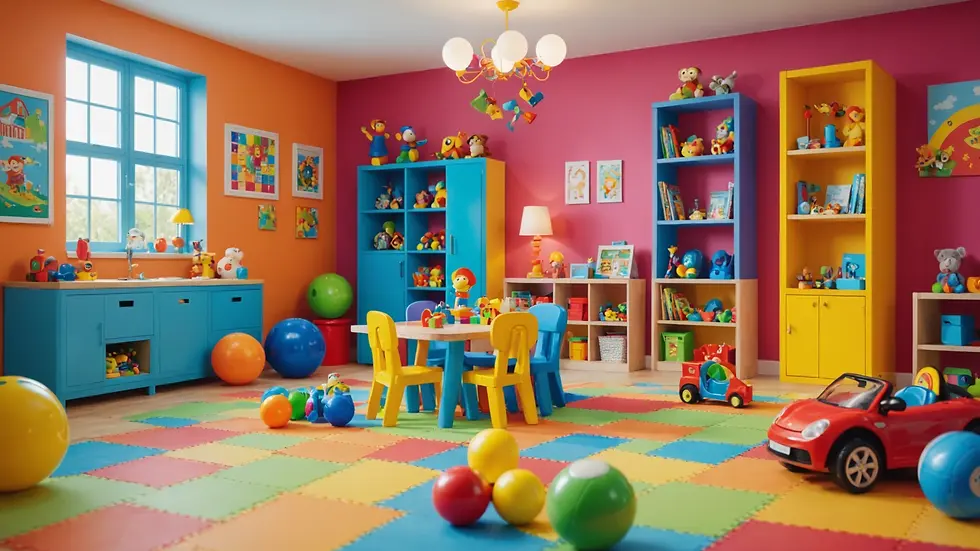
Tailoring Play-Based Solutions in Toronto
In Toronto, the unique cultural and community landscape can influence the types of play-based interventions that are effective.
1. Community Resources
Accessibility to community resources such as playgrounds, recreational centers, and social skills groups offers additional avenues for integrating play into ABA therapy. Therapists can leverage these resources to create enjoyable and enriching experiences outside the therapy room.
2. Family Involvement
Involving family members in play-based therapy can further enhance the benefits of ABA. Therapists can educate families on how to use play to reinforce learning at home, fostering continuity of learning and engagement.
The Importance of Training and Collaboration
For play-based interventions to be effective, collaboration between therapists, families, and educators is vital. Training staff in play-based techniques ensures that children receive consistent support across different environments.
1. Multi-Disciplinary Approaches
The combined expertise of occupational therapists, speech therapists, and ABA practitioners can create a more comprehensive treatment plan that utilizes play for meaningful learning.
2. Continuous Feedback
Regular feedback loops between parents and therapists can help in understanding what works well and what may need modification. This collaborative effort ensures that the therapeutic strategies remain relevant to the child’s evolving needs.
Success Stories: Real-World Applications
Numerous success stories arise from implementing play-based interventions in ABA therapy, particularly in Toronto.
1. Case Study: Ethan’s Journey
Ethan, a cheerful five-year-old diagnosed with autism, thrived in therapy when his sessions incorporated play activities based on his interests, like dinosaurs and trains. His therapist created interactive games that focused on communication and social skills while he engaged in play. As a result, his ability to express his needs and interact with peers significantly improved.

2. Community Initiatives
Community organizations in Toronto have begun hosting workshops for parents to learn how to incorporate play into daily routines effectively. These initiatives not only empower families but also foster a supportive network that bolsters learning outside of formal therapy settings.
Measuring Success in Play-Based ABA Therapy
Determining the effectiveness of play-based interventions in ABA therapy involves a few key indicators.
1. Progress Monitoring
Regular assessments can help track developmental milestones and behaviors in children. Tracking improvements in communication, social skills, and motor skills can quantify the success of play-based interventions.
2. Parent and Therapist Collaboration
Feedback from parents on improvements perceived at home can provide valuable insights. Their observations can help therapists adjust interventions based on real-world applications, maximizing the therapeutic impact.
Conclusion
Play-based interventions have proven to be a crucial element in the success of ABA therapy. By harnessing the natural engagement that play brings, therapists can create enriching experiences that foster skill development and enhance overall well-being for children.
In Toronto, the integration of occupational therapy principles with ABA can further augment these benefits, providing a holistic approach that caters to each child's unique needs. As we continue to explore the significance of play in therapy, it becomes increasingly clear that the combination of enjoyment and learning will lead to better outcomes in children's therapeutic journeys.


Comments